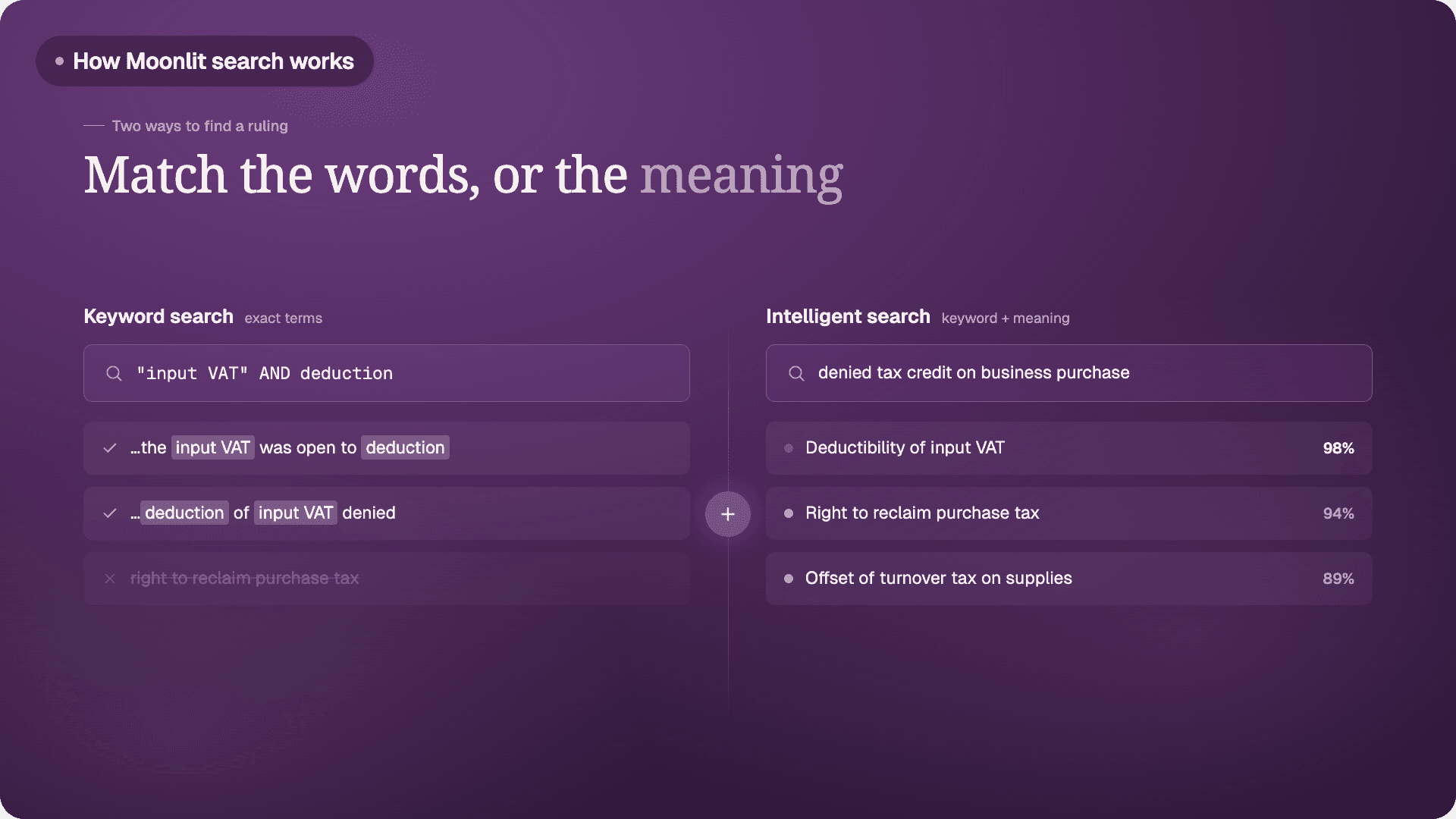
Moonlit newsletter: June 2026
June closed our first full year: ARR up more than 10x, 122% net revenue retention, zero churn. Workspaces gained pinning and sorting, coverage grew by fifteen new sources across eight countries, and Lawve AI and Mino began building on Moonlit.
4

Welcome to this month's edition of Moonlit in Motion, our monthly newsletter covering what we are building, shipping and learning. Here is what happened in June.
Twelve months of Moonlit: ARR up more than 10x
This month we shared what a year of Moonlit looks like: ARR up more than 10x, zero churn, NRR at 122% and closed inbound from the US and Asia. Four government clients, two of the Big 4 and thousands of legal tech vendors, judges, lawyers and researchers now rely on Moonlit data.
We have built the modern international legal publisher, and now we are taking it global.
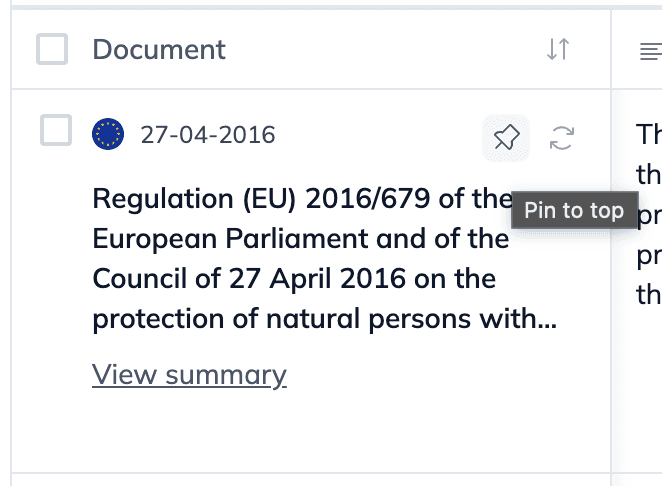
Workspaces: pinning, sorting and more
Keep the documents that matter most at the top by pinning them, and sort the rest by date or citation count. Alongside that, June brought faster document loading, smarter and cleaner filters, marked read search results and better Luna answers on long documents.
Lawve AI and Mino are building on Moonlit
Moonlit is now live in the Lawve AI MCP directory. Any Claude user with a Lawve skill installed can pull the full Moonlit data layer into their workflow, with every answer linked back to the original document. Lawve handles the task-specific skills, Moonlit handles the underlying data layer, Claude does the reasoning.
Mino is now building on Moonlit too. With Mino, lawyers who code can build, audit and ship their own AI agents, now using legislation, case law and regulatory decisions across 30+ jurisdictions, from official sources and continuously updated, through one API and MCP.

LegalTechTalk London: what we took home
We spent two days at LegalTechTalk at the InterContinental London - The O2 connecting with clients, peers and market players and checking in on where the market stands on legal data and AI.
Three takeaways:
High-quality, structured legal data remains the foundation for successful AI.
Citations and knowledge graphs are essential for trustworthy outputs.
Scraping is only the beginning. The real challenge is keeping legal data up to date and AI-ready.
The market is buzzing, and this is the thesis we have been building Moonlit around. Good to see the industry converging on it.
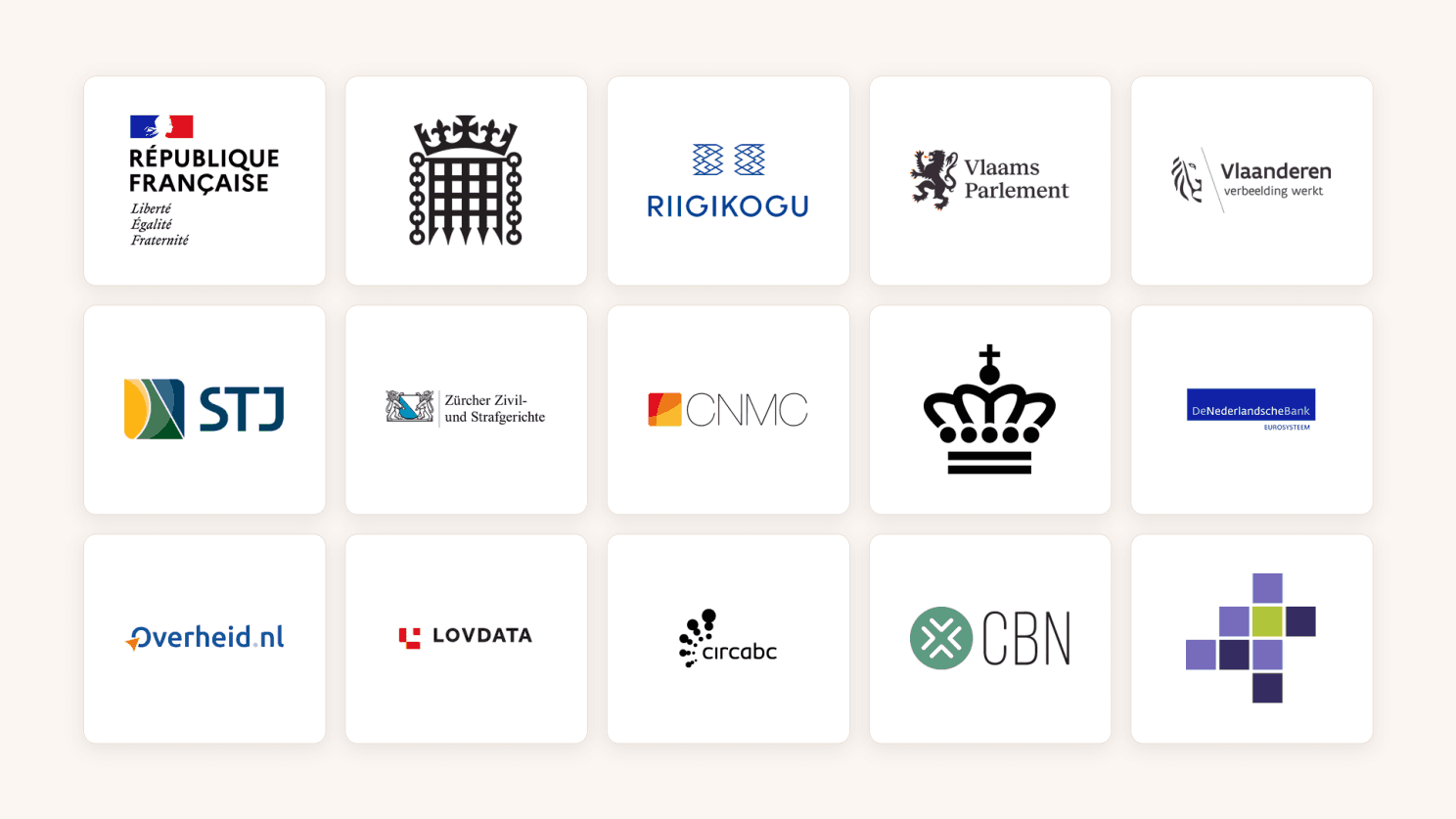
Fifteen new sources added
Moonlit's coverage grew with fifteen new legal and regulatory sources in June, all live across Search, Monitors, Workspaces and Luna. Highlights:
European Central Bank: monetary policy decisions, legal acts and publications.
Journal Officiel (France): laws, decrees and notices from the Official Journal of the French Republic.
Lovdata (Norway): Norwegian laws, regulations and court decisions.
UK Parliament Bills: live tracking of bills before the UK Parliament.
Belgian Data Protection Authority (APD/GBA): decisions and guidance from Belgium’s data protection regulator.
Courts of the Canton of Zürich: case law and rulings from the Zürich cantonal courts.
Superior Court of Justice (Brazil): case tracking and decisions from Brazil’s STJ.
Plus Lokale Regelgeving (NL), CNMC (Spain), Flemish Parliament, Codex Vlaanderen, CBN/CNC (Belgium), the Danish Competition & Consumer Authority, CIRCABC (European Commission) and Riigikogu stenograms (Estonia).

Off the clock: Zuidas run
Seven Moonlit runners took on the TrueTribe Zuidas Run in June while the rest of the team cheered them across the line. Medals were earned and the training for next year has already started.

Marc-Jan Hendriks wins the second iPad
Congratulations to Marc-Jan Hendriks, this months winner of the Moonlit iPad giveaway, for the high-quality data enrichments he contributed to the platform. The platform gets better for every legal professional who uses it next. That is why we keep rewarding it.
The giveaway is still live. How to enter the next round:
Log into the Moonlit platform
Open any document and look for the suggestion button
Submit meaningful enrichment suggestions, such as document nicknames or improved metadata
Industry read: Google is liable for what its AI says
In one of the first rulings of its kind, the Regional Court of Munich held Google directly liable for false claims in its AI-generated search overviews. Google’s AI had invented connections between two Munich publishers and shady business practices that appeared in none of the linked sources. The court’s reasoning is the interesting part: AI overviews generate new statements loosely based on sources, so they are Google’s own content, and the user is not responsible for fact-checking them.
The line between generating text about sources and citing sources verbatim is now a legal one. It is also the line Moonlit is built on: every answer traceable to a specific passage in an official source. Verifiability is not a nice-to-have anymore.
From the blog: inside Moonlit’s data pipeline
Every night at 04:00 Amsterdam time, our database refresh begins. A ruling published the day before in The Hague, Brussels or Paris is cleaned, linked and searchable by the time lawyers sit down to work. A new post on the Moonlit blog walks through that process end to end: how we choose sources, how the backfill works, and the four enrichment layers plus the manual quality gate that every dataset passes before production.

Article written by
Bas Geelen